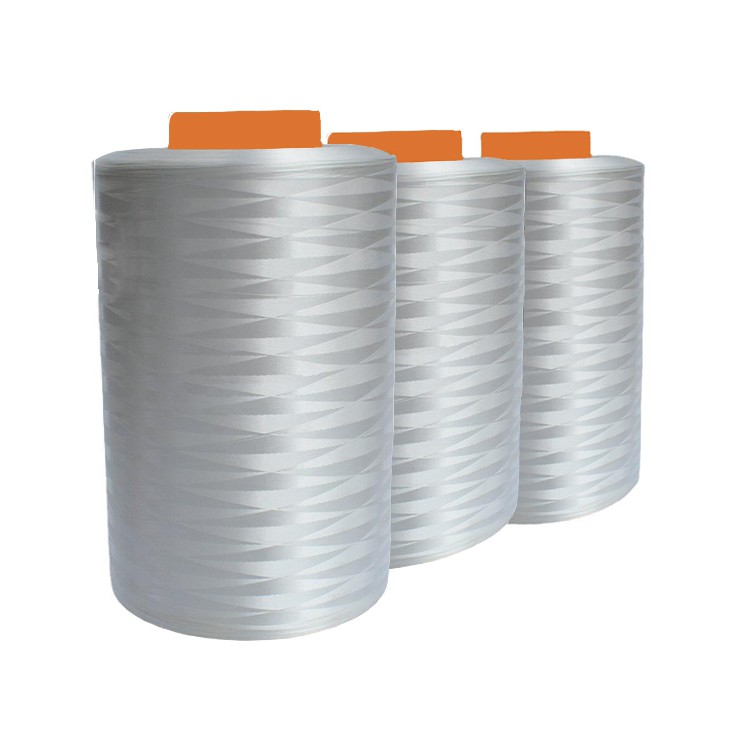
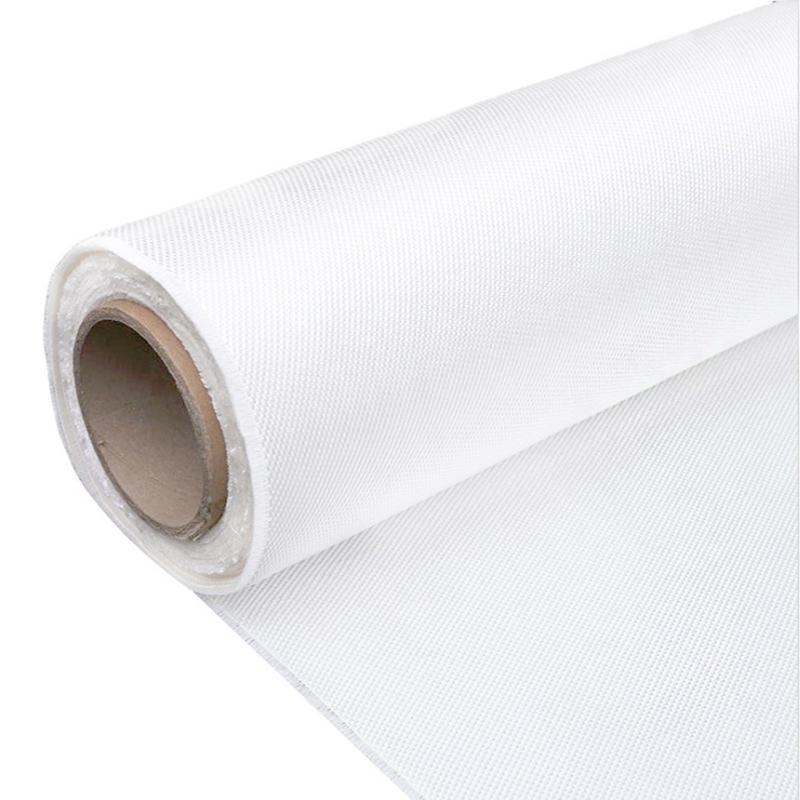
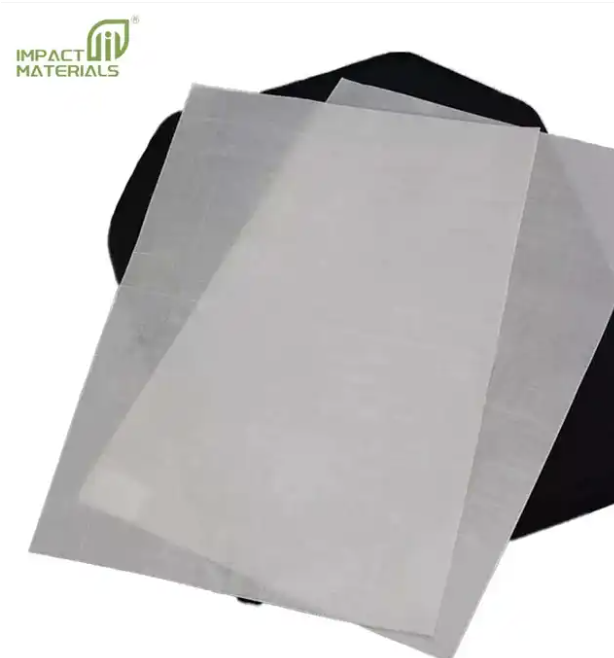
UHMWPE fabric Manufacturer: Complete Sourcing Guide for USA Buyers
The global market for UHMWPE fabric manufacturer USA is projected to reach new highs through 2028, driven by defense spending, automotive electrification, and infrastructure investment. This technical guide helps buyers identify qualified manufacturers and specify materials with confidence.
Key Takeaways
- UHMWPE fiber achieves tensile strength of 2,400-3,500 MPa at density 0.97 g/cm3 — it floats on water yet is 15x stronger than steel by specific strength according to ASTM D2256
- The UHMWPE fiber market is projected to reach $2.4 billion by 2028, with ballistic armor, maritime rope, and cut-resistant PPE as the primary require drivers
- UHMWPE fabric maintains mechanical properties from -150C to +80C and absorbs virtually zero moisture (less than 1%), making it ideal for marine and outdoor applications
- Dyneema (DSM), Spectra (Honeywell), and Tenaron (Kolon) are the primary commercial UHMWPE fiber brands — all use gel-spinning technology to achieve ultra-high molecular weights
What Makes UHMWPE Fiber Unique
UHMWPE fibers are produced from ultra-high-molecular-weight polyethylene resin with molecular weights typically exceeding 3-6 million g/mol — compared to 100,000-500,000 g/mol for conventional HDPE. This extraordinary molecular weight, combined with a gel-spinning manufacturing process that aligns polymer chains to near-perfect crystalline orientation, produces fibers with a unique property profile that no other synthetic material can replicate.
Core Mechanical properties
| Property | UHMWPE (SK75 Grade) | Para-Aramid (Kevlar 49) | S-2 Glass Fiber | T700 Carbon Fiber |
|---|---|---|---|---|
| Tensile strength (MPa) | 3,400-3,600 | 3,620 | 4,580 | 4,900 |
| Tensile Modulus (GPa) | 100-120 | 131 | 88-91 | 230 |
| Density (g/cm3) | 0.97 | 1.44 | 2.49 | 1.80 |
| Specific strength (kN-m/kg) | 3,505 | 2,514 | 1,839 | 2,722 |
| Elongation at Break (%) | 3.5-4.0 | 2.5-3.5 | 4.0-4.5 | 1.7-2.1 |
| Melting Point (C) | 144-152 | N/A (decomposes 500C) | N/A (inorganic) | N/A (decomposes) |
| Water Absorption (%) | Less than 1 | 4-7 | Less than 0.1 | Less than 0.1 |
| Abrasion Resistance | excellent | Good | Poor | Fair |
| Chemical Resistance | excellent | Good (limited by pH) | Fair (alkali sensitive) | Good |
The essential distinguishing feature of UHMWPE is its density of 0.97 g/cm3 — lower than water, meaning UHMWPE fabrics and ropes float. This property, combined with zero moisture absorption, makes UHMWPE the definitive material choice for maritime and marine applications where weight savings and buoyancy are operational requirements rather than just design preferences.
Gel-Spinning Manufacturing Process
UHMWPE fibers are produced through a gel-spinning process that no other synthetic fiber manufacturer uses. The process begins by dissolving ultra-high-molecular-weight polyethylene powder in a solvent (typically decalin or xylene) at elevated temperature to create a viscous dope solution. This dope is extruded through a spinneret into a quench bath, where the fiber rapidly cools and forms a gel-state filament. The gel filament is then drawn (stretched) at ratios of 50-100x its original length through a series of heated drawing zones, achieving chain orientation factors exceeding 95% and crystallinity of 85-95%. The final result is a fiber where virtually all polymer chains are aligned along the fiber axis, maximizing tensile load transfer efficiency. This process is protected by numerous patents held by DSM (Dyneema), Honeywell (Spectra), and Kolon (Tenaron).
Key applications for UHMWPE fabric
Ballistic and Armor Protection
UHMWPE has become the dominant material for military and law enforcement body armor systems in the USA, largely replacing or supplementing traditional aramid (Kevlar) panels due to its superior specific strength and lighter weight. A typical NIJ Level IIIA soft armor vest using UHMWPE UD laminate weighs 25-35% less than an equivalent aramid panel while providing comparable or superior ballistic protection. For hard armor plates (Level III and Level IV), UHMWPE is used as the structural backing material behind ceramic strike faces, absorbing residual kinetic energy and preventing blunt force trauma. The USA military’s Enhanced Small Arms Protective Inserts (ESAPI) and Side-Small Arms Protective Inserts (SAPI) both utilize UHMWPE as a component material. Ballistic-grade UHMWPE fabric must meet stringent quality requirements including consistent areal weight (+/-2%), consistent areal density in finished panels, and batch-level ballistic qualification testing according to NIJ 0101.07.
Maritime and Marine applications
The maritime sector has been one of the earliest and most enthusiastic adopters of UHMWPE fabric and rope technology. UHMWPE mooring lines, towing hawsers, and lifting slings have largely replaced steel wire rope and polyester rope in offshore oil and gas, commercial shipping, and naval applications due to their combination of ultra-light weight (7-8x lighter than equivalent-strength steel wire), zero water absorption, excellent UV resistance, and superior fatigue performance under cyclic loading. A 76mm diameter UHMWPE mooring line can replace a 120mm steel wire rope with 80% weight reduction, significantly reducing deck load and improving handling safety. UHMWPE fishing nets and trawl lines offer similar weight advantages, reducing vessel fuel consumption and improving catch efficiency.
Cut-Resistant PPE
The food processing, glass handling, metal fabrication, and recycling sectors consume significant volumes of UHMWPE fabric for cut-resistant gloves, sleeves, and aprons. UHMWPE achieves ANSI/ISEA 105-2016 cut resistance levels A4 through A6, depending on fabric construction and fiber denier. In glove applications, UHMWPE yarn is typically core-spun with stainless steel or glass fiber to enhance cut performance beyond what pure UHMWPE can achieve. The fiber’s low friction surface also offers excellent grip in wet or oily conditions, a practical advantage over aramid in food processing environments. UHMWPE cut-resistant products maintain their performance after repeated laundering, unlike many competing materials that lose cut resistance as fibers degrade.
Composite Reinforcement
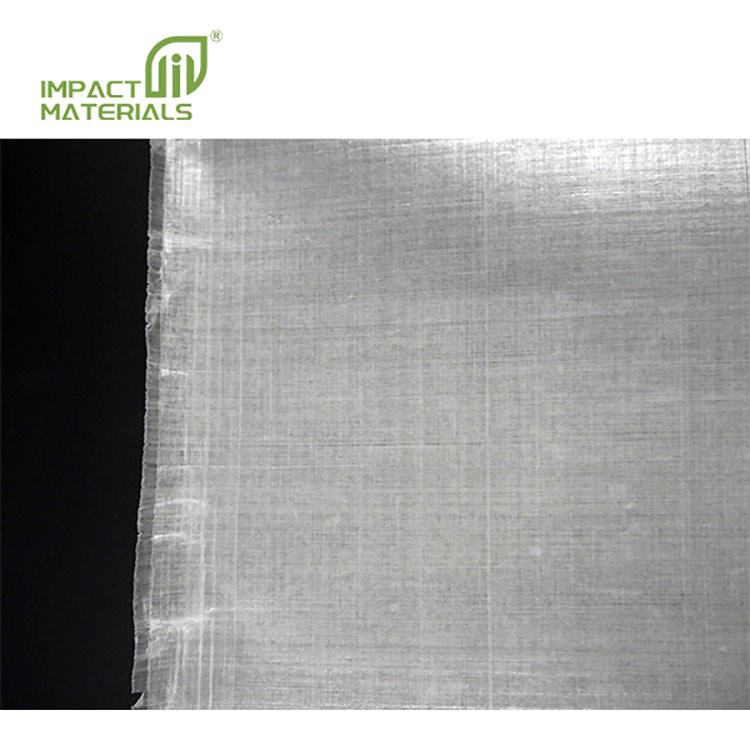
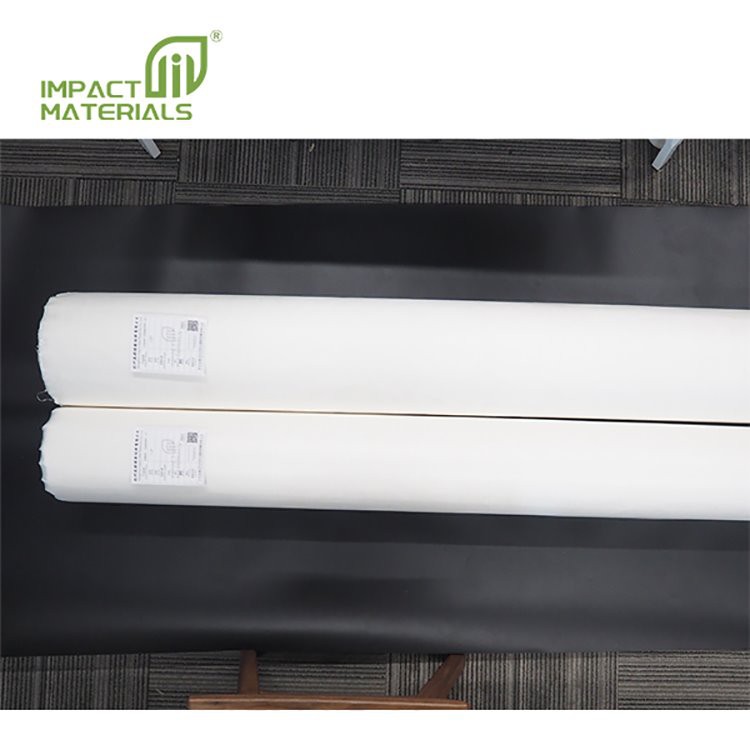
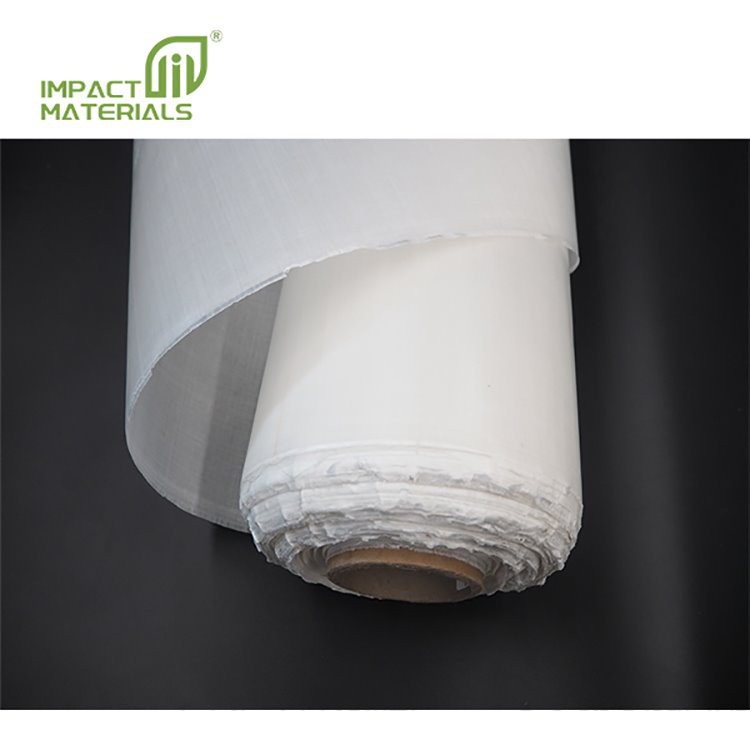
UHMWPE fabric is increasingly used as reinforcement in composite laminates for applications requiring impact resistance, radar transparency, and low dielectric constant. UHMWPE-epoxy and UHMWPE-vinyl ester laminates exhibit impact toughness 2-3x higher than equivalent glass fiber laminates, making them attractive for boat hulls, vehicle underbody armor, and blast mitigation structures. The fiber’s low dielectric constant (approximately 2.3 at 10 GHz) and loss tangent make UHMWPE an excellent choice for radar-transparent structures such as aircraft radomes, antenna enclosures, and stealth-compatible structural panels. Impact materials supplies UHMWPE woven fabric in standard widths from 100mm to 1500mm for composite manufacturing applications.
Need a custom solution? Our technical experts are ready to help.
More Uhmwpe fabric Manufacturer Usa Solutions
Discover additional UHMWPE fabric manufacturer USA options to meet your specific project requirements.
Ready to Source Quality Composite materials?
Impact materials serves 120+ countries with 400+ product requirements. Get your custom quote in 24 hours.
Work With a Trusted Uhmwpe fabric Manufacturer Usa Supplier
Hangzhou Impact New materials Co., Ltd. (Impact materials) has delivered UHMWPE fabric manufacturer USA solutions to clients in 120+ countries for over 20 years. Our 3,200+ successful projects and 400+ product requirements mean we have exactly what your project needs.